30-Days Beginner Workout Plan: Build Strength & Muscle Step by Step

>> 30-Days Beginner Workout Plan: Build Strength & Muscle Step by Step
30 days beginner workout plan

Starting your fitness journey can feel overwhelming, especially if you’re stepping into the gym for the first time. With so many machines, exercises, and opinions around, it’s easy to feel confused about where to begin. The good news is—you don’t need anything complicated to get started.

This 30-day beginner workout plan is designed to help you build strength, gain muscle, and most importantly, stay consistent. Whether your goal is to improve your physique, boost confidence, or simply live a healthier life, this guide will set a strong foundation.

1. Why You Need a Workout Plan

One of the biggest mistakes beginners make is going to the gym without a clear plan. They jump from one machine to another or copy others without understanding what they’re doing.

A structured workout plan helps you:

  • Stay focused and avoid confusion
  • Track your progress over time
  • Prevent injuries by following proper routines
  • Build discipline and consistency

Without a plan, you might work hard—but not smart. A well-organized routine ensures every minute in the gym counts.

2. Understanding the 30-Day Approach

Before jumping into exercises, it’s important to understand what this 30-day plan is about. This is not a “quick transformation” program. Instead, it’s about:

  • Building a habit
  • Learning proper form
  • Gradually improving strength
  • Preparing your body for advanced training

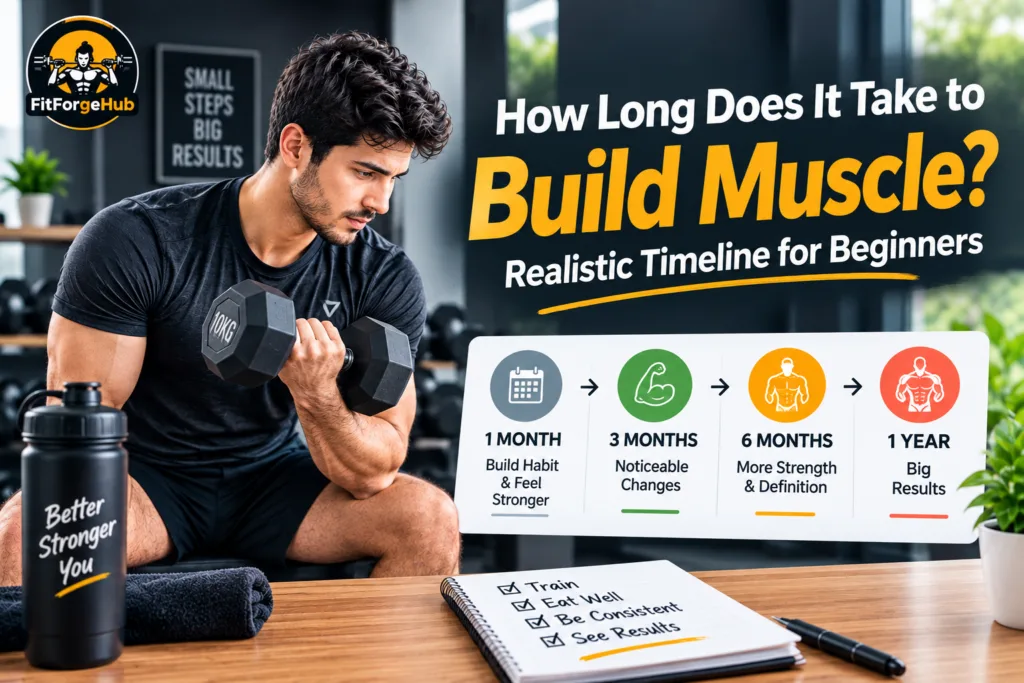
Each week, your body adapts and becomes stronger. By the end of 30 days, you’ll feel more confident and comfortable in the gym environment.

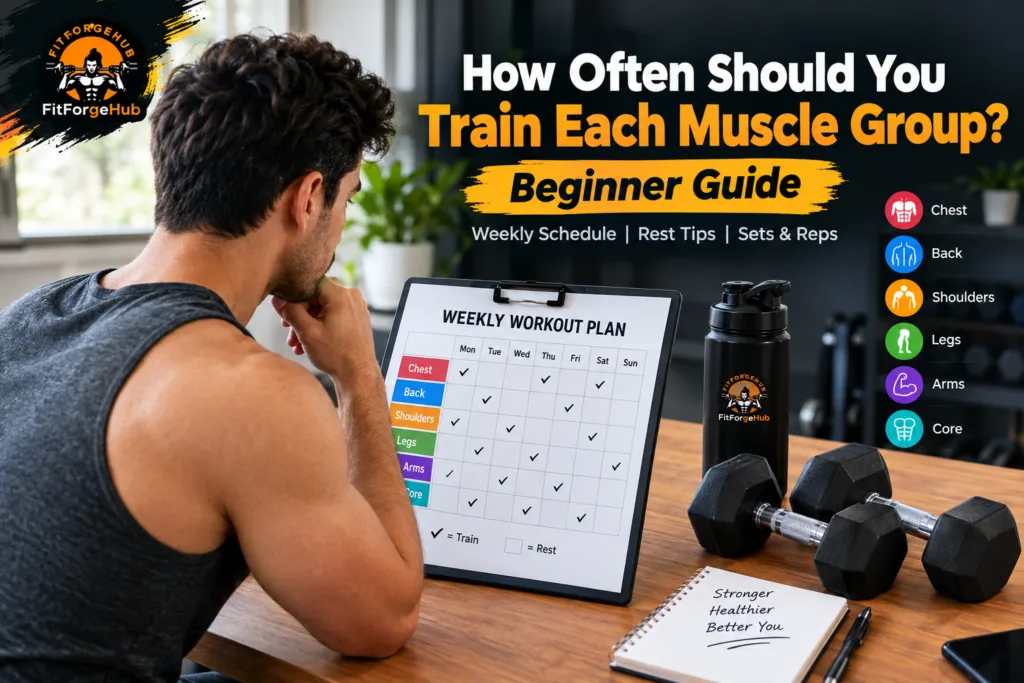
3. Weekly Workout Schedule (beginner workout plan)

weekly workout schedule

Follow this simple weekly structure:

  • Day 1: Full Body Workout
  • Day 2: Rest or Light Cardio
  • Day 3: Upper Body
  • Day 4: Lower Body
  • Day 5: Full Body Workout
  • Day 6: Cardio / Active Recovery
  • Day 7: Complete Rest

This schedule balances training and recovery, which is essential for muscle growth.

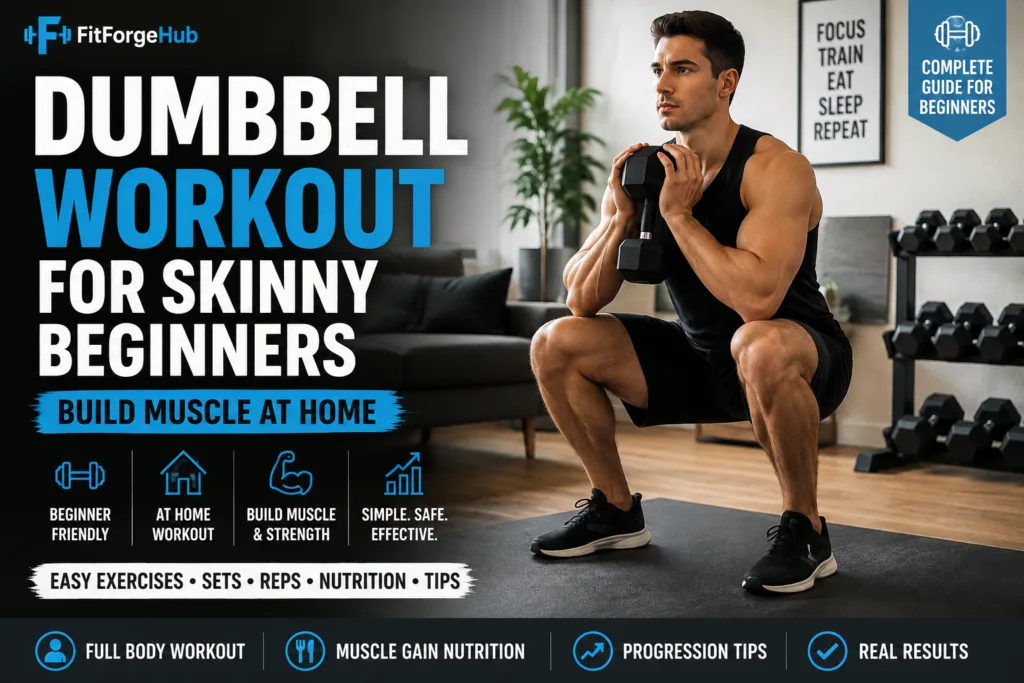
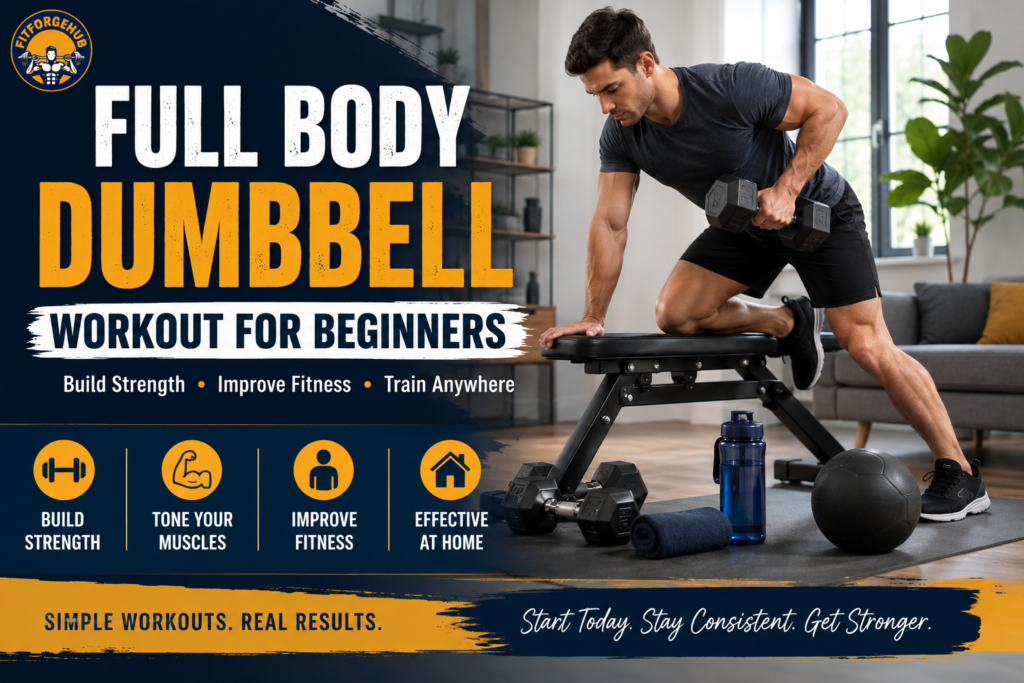
4. Full Body Workout Routine

full body workout routine

Full body workouts are perfect for beginners because they target multiple muscle groups in a single session.

Exercises:

  • Squats – 3 sets × 10 reps
  • Push-ups – 3 sets × 8–12 reps
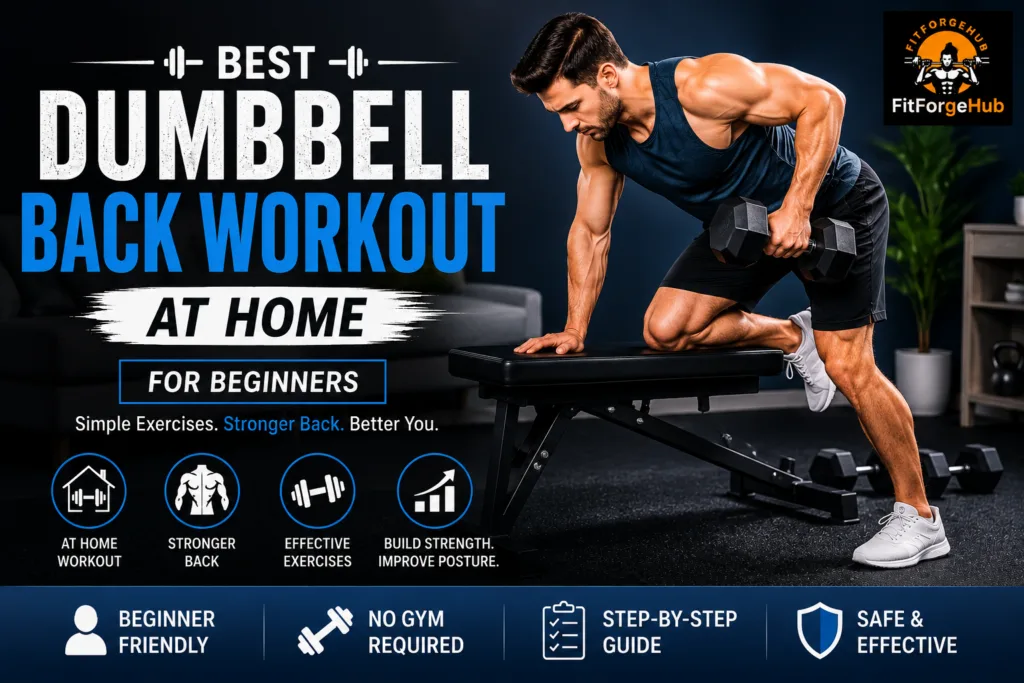
  • Dumbbell Rows – 3 sets × 10 reps
  • Plank – 3 sets × 20–30 seconds

These exercises build overall strength and improve coordination.

5. Upper Body Workout

uppeworkout r body
uppeworkout r body

Upper body training focuses on your chest, back, shoulders, and arms.

Exercises:

  • Bench Press or Dumbbell Press – 3 × 10
  • Lat Pulldown – 3 × 10
  • Shoulder Press – 3 × 10
  • Bicep Curls – 3 × 12

This routine helps you develop upper body strength and improve posture.

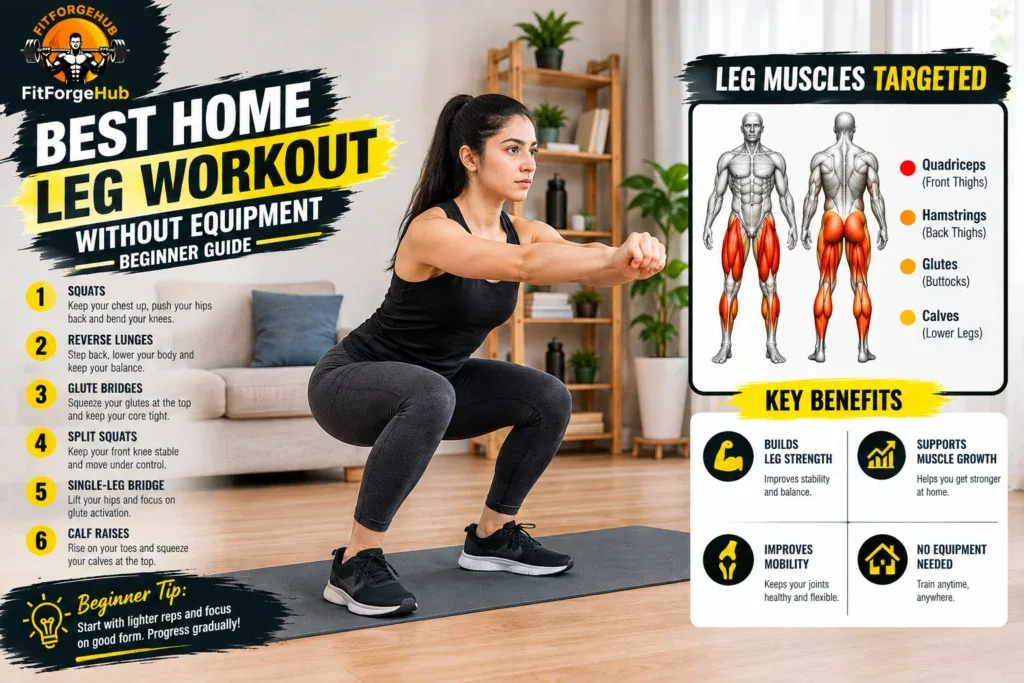
6. Lower Body Workout

lower body workout

Lower body workouts are essential for building strength and stability.

Exercises:

  • Lunges – 3 × 10 each leg
  • Leg Press – 3 × 10
  • Hamstring Curls – 3 × 10
  • Calf Raises – 3 × 15

Strong legs support your entire body and improve athletic performance.

7. Cardio and Active Recovery

cardio and active recovery

Cardio is important for heart health and fat loss.

You can do:

  • Walking
  • Jogging
  • Cycling
  • Skipping

Spend 20–30 minutes on light cardio during active recovery days. This helps improve endurance without overtraining your muscles.

8. Sets, Reps & Rest Time

To keep things simple:

  • Sets: 3 per exercise
  • Reps: 10–12
  • Rest Time: 30–60 seconds

Always start with light weights and focus on correct form. As you get stronger, you can gradually increase the weight.

9. Common Mistakes Beginners Make

Avoid these common mistakes:

  • Lifting heavy weights too early
  • Ignoring proper form
  • Skipping warm-up and stretching
  • Not taking rest days
  • Expecting fast results

Fitness is a long-term journey, not a quick fix.

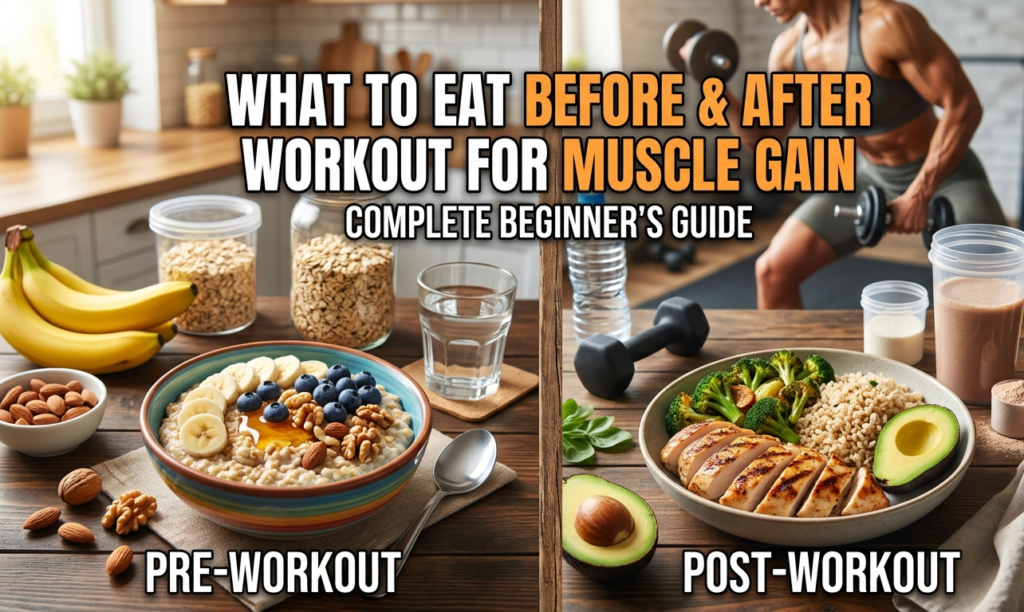
10. Nutrition Tips for Better Results

Your workout is only half the equation—nutrition plays a huge role.

  • Eat protein-rich foods (eggs, chicken, lentils)
  • Include carbohydrates for energy (rice, oats, bread)
  • Add healthy fats (nuts, olive oil)
  • Drink plenty of water

If your goal is muscle gain, make sure you are eating enough calories daily.

11. Importance of Rest and Recovery

Muscles don’t grow while you’re working out—they grow while you rest.

Make sure you:

  • Sleep 7–8 hours daily
  • Take rest days seriously
  • Avoid overtraining

Recovery is just as important as training.

12. Pro Tips for Faster Progress

  • Stay consistent with your routine
  • Track your workouts weekly
  • Focus on gradual improvement
  • Stay patient and disciplined

Even small progress each week leads to big results over time.

13. What to Expect After 30 Days

After completing this plan, you may notice:

  • Increased strength
  • Better stamina
  • Improved confidence
  • More energy throughout the day

While physical transformation may take longer, your foundation will be strong.

Conclusion

Starting your fitness journey doesn’t have to be complicated. With this 30-day beginner workout plan, you have everything you need to begin your transformation.

Remember, the key to success is consistency, patience, and discipline. Stick to the plan, trust the process, and result.

Leave a Reply

Your email address will not be published. Required fields are marked *

Fitness Journey

1. Preparing for Your Gym Experience

Setting Clear and Achievable Goals

  • Define specific fitness objectives (weight loss, strength building, general health)
  • Create measurable targets with realistic timelines
  • Document your starting point with photos and measurements

Choosing the Right Gym for Your Needs

Fitness Journey

  • Compare membership options and pricing structures
  • Evaluate equipment availability and facility cleanliness
  • Consider location convenience and operating hours

Easy Strength Training Exercises Perfect for Newcomers

  • Select appropriate workout clothing and supportive footwear
  • Pack necessary accessories (water bottle, towel, headphones)
  • Understand gym etiquette and basic safety equipment

2. Getting Familiar with the Gym Environment

Elementary Gym Schedule Guide for First-Timers

  • Navigate the cardio section and machine placement
  • Explore the strength training zones and free weight areas
  • Locate specialized spaces for stretching and functional training

Learning About Available Equipment

fitness journey

  • Identify basic cardio machines and their primary functions
  • Understand weight machines and their muscle targets
  • Familiarize yourself with free weights and accessory tools

Following Gym Rules and Social Etiquette

  • Master equipment sharing and waiting protocols
  • Practice proper hygiene and cleaning procedures
  • Respect personal space and noise levels

3. Building Your Foundation Workout Routine

Simple Home Fitness Routines Every Beginner Can Start Today

simple home fitness routines every beginner can+start today

  • Begin with low-impact options like walking or stationary cycling
  • Gradually increase duration from 15-20 minutes to 30 minutes
  • Monitor your heart rate and adjust intensity accordingly

Fundamental Bodyweight Movements Every Starter Should Know

  • Master bodyweight movements before adding external weight
  • Focus on major muscle groups with compound exercises
  • Practice proper form with light weights or machine assistance

Creating a Balanced Weekly Schedule

creating+a+balanced+weekly+schedule

  • Plan 3-4 workout days with rest days in between
  • Alternate between cardio and strength training sessions
  • Allow adequate recovery time for muscle repair and growth

4. Proper Exercise Form and Safety Guidelines

Mastering Basic Movement Patterns

  • Learn the correct posture for squats, lunges, and push-ups
  • Practice proper lifting techniques for deadlifts and rows
  • Understand breathing patterns during different exercises

Preventing Common Beginner Injuries

  • Recognize the difference between muscle fatigue and pain
  • Implement proper warm-up and cool-down routines
  • Avoid the temptation to lift too much weight too soon

Knowing When to Ask for Help

  • Identify situations that require professional guidance
  • Understand when to request a spotter for safety
  • Recognize signs that indicate you need to stop exercising

5. Tracking Progress and Staying Motivated

Monitoring Your Fitness Improvements

fitness journey

  • Keep a detailed workout log with exercises and repetitions
  • Record weekly measurements and progress photos
  • Track how you feel after each workout session

Introductory Weight Lifting Programs for Complete Newbies

  • Handle initial muscle soreness and fatigue appropriately
  • Overcome intimidation and comparison with other gym members
  • Push through motivation dips and establish consistent habits

Adjusting Your Plan Based on Results

  • Evaluate what exercises work best for your body
  • Modify workout intensity based on your progress rate
  • Plan your second month with increased challenges and variety

Summary

Your first month at the gym sets the foundation for a successful long-term fitness journey. Focus on learning proper techniques, building consistent habits, and listening to your body rather than pursuing immediate dramatic results. Remember that everyone starts somewhere, and the key to success lies in patience, consistency, and gradual progression. By following this step-by-step approach, you will develop the confidence and knowledge needed to make the gym a regular and enjoyable part of your lifestyle.

Frequently Asked Questions

How often should I go to the gym during my first month?

Aim for 3-4 sessions per week with at least one rest day between workouts. This schedule allows your body to adapt gradually while providing adequate recovery time.

What should I do if I feel overwhelmed or intimidated at the gym?

Start during off-peak hours when the gym is less crowded, consider working with a trainer for the first few sessions, and remember that most gym members are focused on their own workouts and happy to help if asked.

How long should my workouts be when I’m just starting?

Keep initial workouts between 45-60 minutes, including warm-up and cool-down. Quality and proper form are more important than workout duration.

Is it normal to feel very sore after my first few workouts?

Yes, muscle soreness is completely normal when starting a new exercise routine. However, sharp pain or soreness that prevents normal daily activities may indicate you need to reduce workout intensity.

Should I hire a personal trainer for my first month?

While not essential, a few sessions with a qualified trainer can be valuable for learning proper form, understanding equipment, and creating a personalized workout plan that matches your goals and fitness level.

1. Preparing for Your Gym Experience

Setting Clear and Achievable Goals

  • Define specific fitness objectives (weight loss, strength building, general health)
  • Create measurable targets with realistic timelines
  • Document your starting point with photos and measurements

5 thoughts on “Transform Your Fitness Journey: The Complete First Month Gym Starter Guide”

  • I AM SUFFERING WITH TO HEAVY WEIGHT BUT I CAN’T PREVENT TO AVOID WITH SPICY AND SWEET DO YOU HAVE ANY EXPERIENCE TO MAKE IT LESS WITH ANOTHER SUPPLEMENTS AND DIETS?

    • Thank you for sharing your concern. Yes, managing weight while dealing with cravings for spicy and sweet foods can be challenging, but it is definitely possible with the right approach.

      Instead of completely avoiding your favorite foods, you can focus on portion control and healthier alternatives. A balanced diet that includes high-protein foods, fiber, and healthy fats can help reduce cravings naturally. Regular exercise and staying hydrated also play a key role.

      Regarding supplements, it’s best to be cautious and consult a healthcare professional before starting any. In most cases, a well-structured diet and lifestyle changes are more effective and sustainable than relying on supplements.

Leave a Reply

Your email address will not be published. Required fields are marked *