
1. Preparing for Your Gym Experience
Setting Clear and Achievable Goals
- Define specific fitness objectives (weight loss, strength building, general health)
- Create measurable targets with realistic timelines
- Document your starting point with photos and measurements
Choosing the Right Gym for Your Needs

- Compare membership options and pricing structures
- Evaluate equipment availability and facility cleanliness
- Consider location convenience and operating hours
Easy Strength Training Exercises Perfect for Newcomers
- Select appropriate workout clothing and supportive footwear
- Pack necessary accessories (water bottle, towel, headphones)
- Understand gym etiquette and basic safety equipment
2. Getting Familiar with the Gym Environment
Elementary Gym Schedule Guide for First-Timers
- Navigate the cardio section and machine placement
- Explore the strength training zones and free weight areas
- Locate specialized spaces for stretching and functional training
Learning About Available Equipment
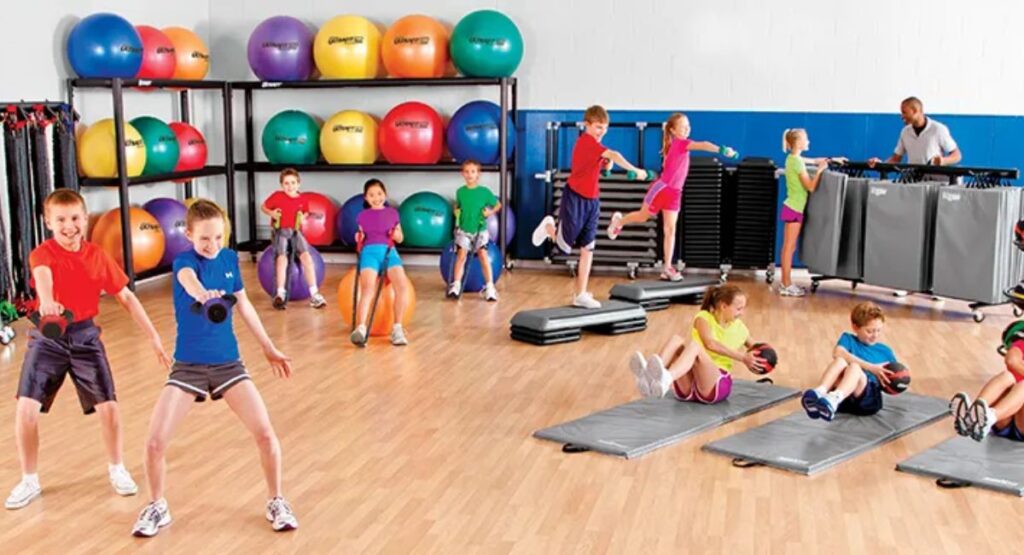
- Identify basic cardio machines and their primary functions
- Understand weight machines and their muscle targets
- Familiarize yourself with free weights and accessory tools
Following Gym Rules and Social Etiquette
- Master equipment sharing and waiting protocols
- Practice proper hygiene and cleaning procedures
- Respect personal space and noise levels
3. Building Your Foundation Workout Routine
Simple Home Fitness Routines Every Beginner Can Start Today
- Begin with low-impact options like walking or stationary cycling
- Gradually increase duration from 15-20 minutes to 30 minutes
- Monitor your heart rate and adjust intensity accordingly
Fundamental Bodyweight Movements Every Starter Should Know
- Master bodyweight movements before adding external weight
- Focus on major muscle groups with compound exercises
- Practice proper form with light weights or machine assistance
Creating a Balanced Weekly Schedule

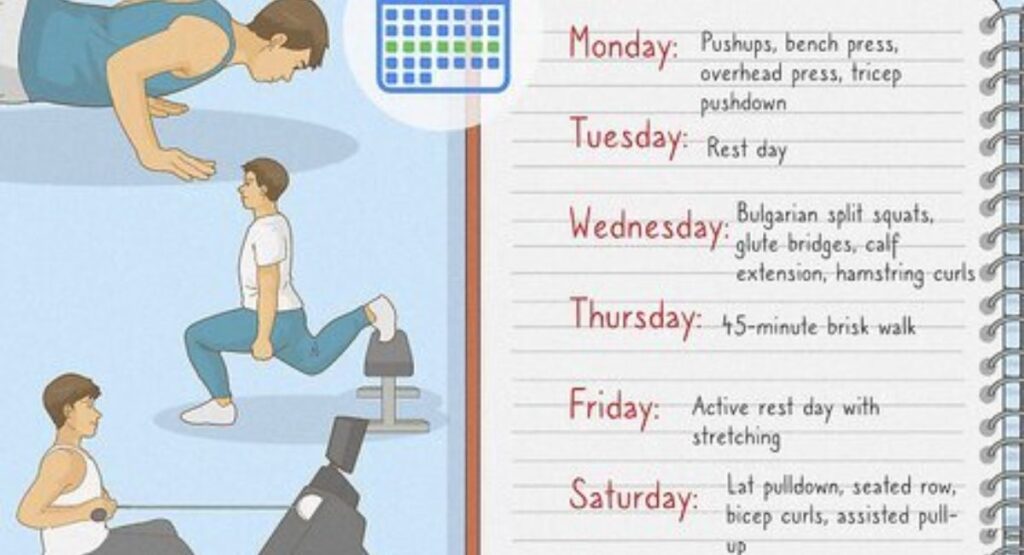
- Plan 3-4 workout days with rest days in between
- Alternate between cardio and strength training sessions
- Allow adequate recovery time for muscle repair and growth
4. Proper Exercise Form and Safety Guidelines
Mastering Basic Movement Patterns
- Learn the correct posture for squats, lunges, and push-ups
- Practice proper lifting techniques for deadlifts and rows
- Understand breathing patterns during different exercises
Preventing Common Beginner Injuries
- Recognize the difference between muscle fatigue and pain
- Implement proper warm-up and cool-down routines
- Avoid the temptation to lift too much weight too soon
Knowing When to Ask for Help
- Identify situations that require professional guidance
- Understand when to request a spotter for safety
- Recognize signs that indicate you need to stop exercising
5. Tracking Progress and Staying Motivated
Monitoring Your Fitness Improvements
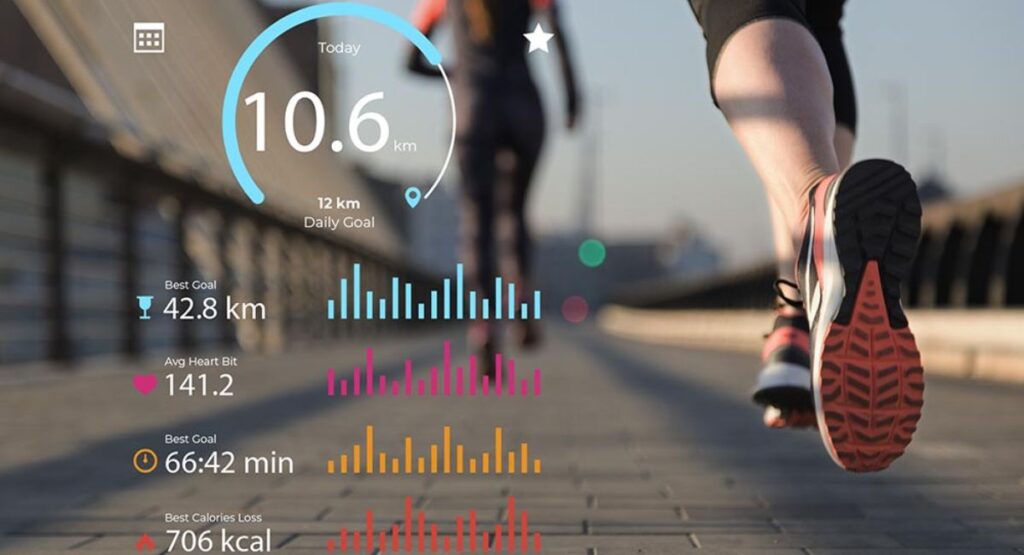
- Keep a detailed workout log with exercises and repetitions
- Record weekly measurements and progress photos
- Track how you feel after each workout session
Introductory Weight Lifting Programs for Complete Newbies
- Handle initial muscle soreness and fatigue appropriately
- Overcome intimidation and comparison with other gym members
- Push through motivation dips and establish consistent habits
Adjusting Your Plan Based on Results
- Evaluate what exercises work best for your body
- Modify workout intensity based on your progress rate
- Plan your second month with increased challenges and variety
Summary
Your first month at the gym sets the foundation for a successful long-term fitness journey. Focus on learning proper techniques, building consistent habits, and listening to your body rather than pursuing immediate dramatic results. Remember that everyone starts somewhere, and the key to success lies in patience, consistency, and gradual progression. By following this step-by-step approach, you will develop the confidence and knowledge needed to make the gym a regular and enjoyable part of your lifestyle.
Frequently Asked Questions
How often should I go to the gym during my first month?
Aim for 3-4 sessions per week with at least one rest day between workouts. This schedule allows your body to adapt gradually while providing adequate recovery time.
What should I do if I feel overwhelmed or intimidated at the gym?
Start during off-peak hours when the gym is less crowded, consider working with a trainer for the first few sessions, and remember that most gym members are focused on their own workouts and happy to help if asked.
How long should my workouts be when I’m just starting?
Keep initial workouts between 45-60 minutes, including warm-up and cool-down. Quality and proper form are more important than workout duration.
Is it normal to feel very sore after my first few workouts?
Yes, muscle soreness is completely normal when starting a new exercise routine. However, sharp pain or soreness that prevents normal daily activities may indicate you need to reduce workout intensity.
Should I hire a personal trainer for my first month?
While not essential, a few sessions with a qualified trainer can be valuable for learning proper form, understanding equipment, and creating a personalized workout plan that matches your goals and fitness level.
1. Preparing for Your Gym Experience
Setting Clear and Achievable Goals
- Define specific fitness objectives (weight loss, strength building, general health)
- Create measurable targets with realistic timelines
- Document your starting point with photos and measurements
About The Author
Riaz Ahmed
Riaz Ahmed holds a Master’s degree in Health and Physical Education and is the founder of FitForgeHub, where he shares practical fitness and workout information.
Rafiq Ahmad
Nice
ALI
NICE DEAR JUST LOOK LIKE GREAT
ALI
I AM SUFFERING WITH TO HEAVY WEIGHT BUT I CAN’T PREVENT TO AVOID WITH SPICY AND SWEET DO YOU HAVE ANY EXPERIENCE TO MAKE IT LESS WITH ANOTHER SUPPLEMENTS AND DIETS?
hub.fitforge@gmail.com
Thank you for sharing your concern. Yes, managing weight while dealing with cravings for spicy and sweet foods can be challenging, but it is definitely possible with the right approach.
Instead of completely avoiding your favorite foods, you can focus on portion control and healthier alternatives. A balanced diet that includes high-protein foods, fiber, and healthy fats can help reduce cravings naturally. Regular exercise and staying hydrated also play a key role.
Regarding supplements, it’s best to be cautious and consult a healthcare professional before starting any. In most cases, a well-structured diet and lifestyle changes are more effective and sustainable than relying on supplements.